
Juvenile Arthritis - Description
Humans can move their head, arms, legs, fingers, and toes because of joints. A joint is a structure where two or more bones come together. The elbow, for example, is a joint at which bones in the upper and lower arm come together.
- Articular capsule:
- A tough tissue that surrounds a joint and the bones that come together at the joint.
- Joint:
- A structure that holds two or more bones together.
- Synovial fluid:
- A clear liquid that fills the spaces between bones in a joint cavitiy and helps the bones move across each other more easily.
- Synovial membrane:
- A membrane that covers the articular capsule in a joint and produces synovial fluid.
The space between the bones in a joint is occupied by a variety of other structures and fluids. These structures and fluids help the bones move more smoothly. One of the structures in a joint is the articular capsule. The articular capsule surrounds the bones that come together at a joint and the space between the joint. The articular capsule contains a thin covering called the synovial (pronounced si-NO-vee-uhl) membrane. The synovial membrane produces a clear liquid called synovial fluid that lubricates the space between the bones. The synovial fluid helps the bones slide across each other more easily.
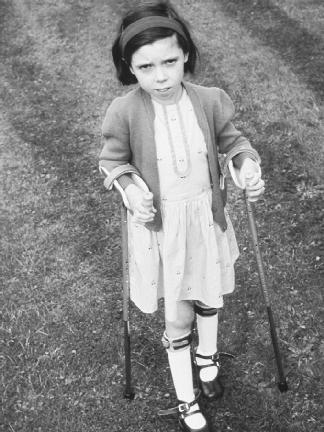
In juvenile arthritis, the synovial membrane becomes very inflamed. Instead of being thin and flexible, it becomes thick and stiff. This change occurs when white blood cells invade the membrane. The white blood cells release chemicals that cause inflammation and attack other structures in the joint. The bones, ligaments, and other structures in the joint are worn away and the joint can no longer move smoothly and easily. Bending and turning movements cause pain and discomfort.
Juvenile arthritis is a joint inflammation that affects a child under the age of sixteen and that lasts for at least three to six months. The condition often goes through periods in which joints are very sore and painful and then return to normal. After a while the inflammation returns and joints are once again sore and painful.
Comment about this article, ask questions, or add new information about this topic: