
Frostbite - Causes
The human body can withstand temperatures a little below freezing for hours before freezing. However, exposure to very cold temperatures can freeze skin in minutes or even seconds. Air temperature, wind speed, and moisture all affect the rate at which the body loses heat. For example, wet clothing increases the risk for frostbite. Water absorbs heat quickly and efficiently. It causes the body to cool off very quickly.
The permanent damage done to the body depends more on how long it was exposed to cold temperatures than on how cold it got. This fact explains why so many people are injured by frostbite. The overnight temperature may not drop very low, but homeless people are forced to remain outside for hours at a time. This long exposure to even mildly cold temperatures can cause frostbite.
Several factors increase a person's risk for frostbite. Alcohol use is a major risk factor for frostbite. Alcohol reduces blood circulation. It causes the body to cool off quickly. It also impairs ones judgement. A person who has been drinking may not notice how cold it is, or realize that he or she is getting frostbite, and stay outdoors even after injury has occured. In one study
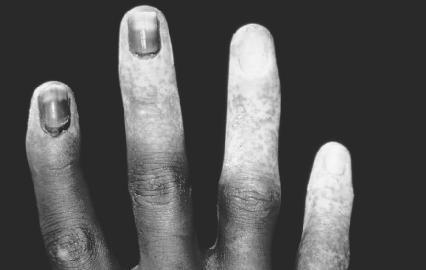
of frostbite injuries, nearly half occurred among people who had been drinking. Other factors contributing to the risk for frostbite include:
- Psychiatric illness
- Inadequate clothing
- Fatigue
- Infection from a wound
- Atherosclerosis (see atherosclerosis entry)
- Diabetes (see diabetes mellitus entry)
- Previous injuries due to cold temperatures
Comment about this article, ask questions, or add new information about this topic: